You've probably seen the term “custom-built website” and wondered what it actually means. Is it just a fancy way of saying “expensive”? Does it matter if your site is custom or built on a template? And is it really worth it for a small business?
The short answer: a custom-built website is one where every line of code is written specifically for your business. No templates. No drag-and-drop page builders. No shared code with thousands of other sites. And yes, for most businesses that depend on being found online, it's worth it. Here's why.
What “Custom-Built” Actually Means
A custom-built website is coded from the ground up using programming languages and frameworks rather than assembled from pre-made templates or drag-and-drop builders. The developer writes the HTML, CSS, and JavaScript specifically for your site.
At Simple Day. We use a modern technology stack:
- Next.js: A React framework that delivers lightning-fast page loads and excellent SEO through server-side rendering
- React: The JavaScript library used by Meta, Netflix, and Airbnb for building interactive user interfaces
- Tailwind CSS: A utility-first CSS framework that produces clean, lightweight stylesheets with zero bloat
This means every element on the page, from the navigation to the footer, from animations to contact forms, is written specifically for your business. Nothing is borrowed from a generic template library.
Custom-Built vs Template-Based: The Key Differences
Performance and Speed
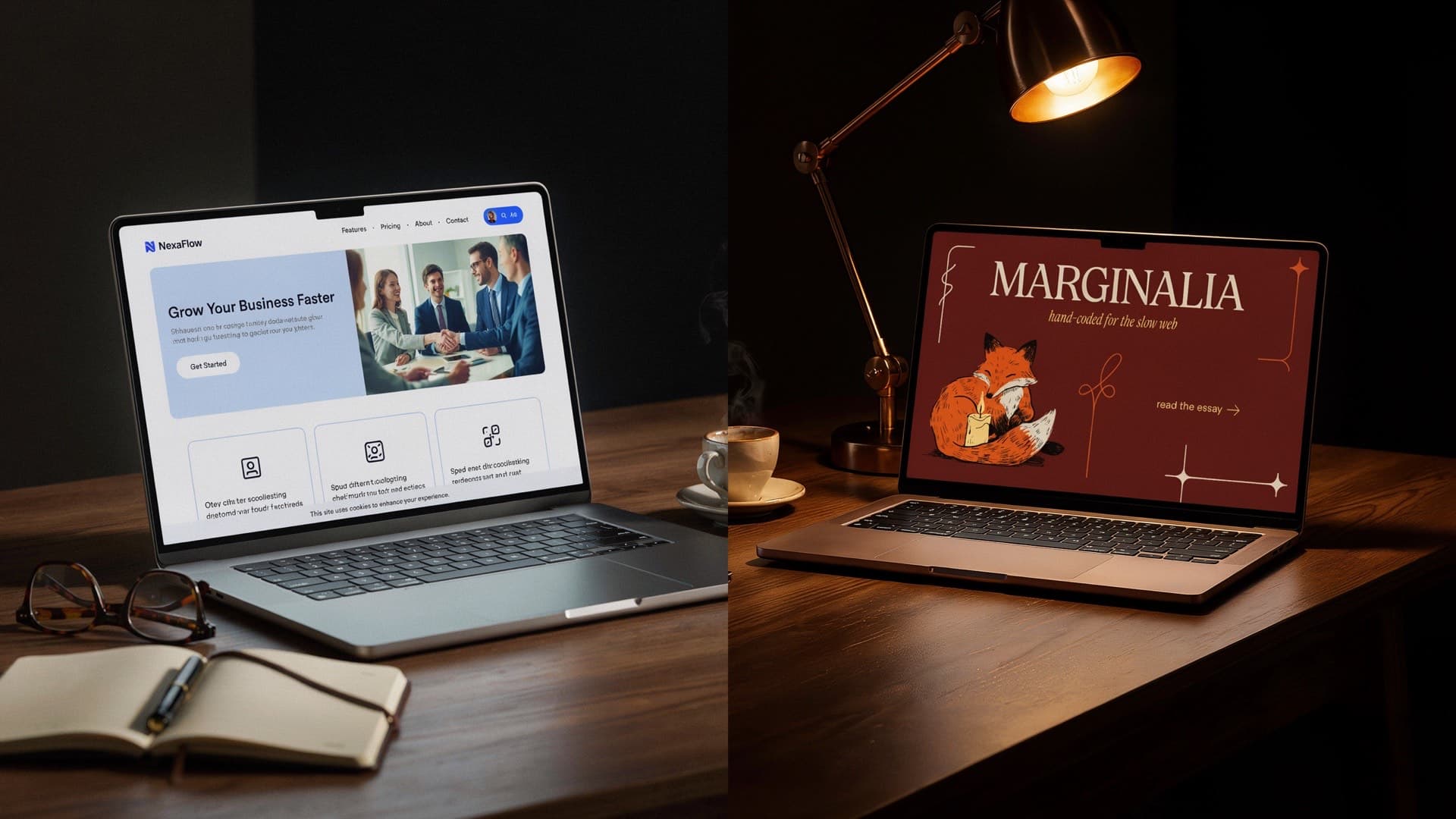
Template-based platforms like WordPress, Wix, and Squarespace ship thousands of lines of code your site doesn't need. Page builders add even more bloat. The result is slow load times that hurt both user experience and Google rankings. Custom-built sites contain only the code required for your specific features, resulting in sub-second load times that Google rewards.
Search Engine Optimisation
SEO depends on clean code, proper heading structure, schema markup, fast load times, and semantic HTML. Template builders generate messy, bloated markup that search engines struggle to parse. Custom code gives you full control over every SEO signal , from meta tags to structured data to internal linking. Our client bbqpods.uk hit #1 on Google in 8 weeks with zero ongoing SEO spend, purely because the technical foundations were built right.
Ownership and Control
With platforms like Wix and Squarespace. You don't own your website. You rent it. If you stop paying, your site disappears. If the platform changes its terms, you're stuck. With a custom-built website. You own every line of code. You can host it anywhere, move it anytime, and you're never locked into a platform. Read more in our custom website vs Wix/Squarespace comparison.
No Monthly Platform Fees
WordPress, Wix, and Squarespace all have recurring costs, platform fees, plugin subscriptions, premium themes, and maintenance. A custom-built website has a one-time development cost and minimal hosting fees (often under £10/month). No plugin renewals. No surprise price increases. No forced upgrades.
Proof: Custom-Built in 12 Hours, #1 on Google
bbqpods.uk is our flagship case study. Here's what happened:
- Built from a 15-page supplier PDF in 12 hours
- Bespoke Next.js code, every line written from scratch
- #1 on Google for “bbq pods uk” within 8 weeks
- 905 clicks and 7,024 impressions from organic search
- Visitors from 114 countries worldwide
- Zero ongoing SEO retainer, the technical SEO was built in
A template site could not have achieved this. The speed, the clean code, and the SEO precision that comes from custom development is what made the difference.
The “But It's Expensive” Objection
Let's address this head-on. Yes, a custom-built website has a higher upfront cost than signing up for Wix or buying a WordPress theme. But look at the 3-year picture:
- Wix (3 years): £13–£30/month platform fee + premium apps + annual increases = £700–£1,500+
- WordPress (3 years): Hosting + plugins + maintenance + security = £4,000–£15,000+
- Squarespace (3 years): £12–£33/month + limited customisation + design fees = £600–£2,000+
- Custom-built (3 years): One-time build cost + minimal hosting (~£10/month) = Enquire for pricing
When you factor in the ongoing costs, reduced SEO performance, and platform limitations, a custom-built website frequently works out cheaper and delivers better results. Our WordPress vs custom comparison covers this in detail.
Think of it this way: A custom website is an asset you own. A template website is a subscription you rent. One appreciates in value through better rankings and conversions. The other drains money every month regardless of results.
When a Custom-Built Website Makes Sense
- Your business depends on being found online. If enquiries, bookings, or sales come from Google, the SEO advantages of custom code make a measurable difference.
- You want to own your website. No platform lock-in, no forced migrations, no surprise fee increases.
- You care about speed and performance. Sub-second load times improve user experience, reduce bounce rates, and boost conversions.
- You want a design that's actually unique. Templates are used by thousands of other businesses. Custom design means your site looks like nobody else's.
- You're thinking long-term. The lower total cost of ownership over 3–5 years makes custom the smarter investment for most businesses.
When a Template Site Might Be Enough
Custom isn't always necessary. A template-based site can work if:
- You need a basic online presence and don't rely on organic search
- You're testing a business idea and need something live this week
- Your budget is genuinely under £500 and you're willing to DIY
- You don't care about page speed or Google rankings
But if any of those conditions change, if you start caring about Google, if you want more enquiries, if you outgrow the template, you'll be rebuilding from scratch anyway.
Frequently Asked Questions
Do I own a custom-built website?
Yes, completely. With Simple Day. You own every line of code, every design element, and all your content. There's no platform lock-in, no monthly ownership fees, and you can host it wherever you like. It's yours, outright.
How do I update a custom website without a CMS?
For most small business websites, content changes are infrequent, a new service, updated contact details, new portfolio items. We handle these changes as part of our support. For businesses that need frequent content updates. We can integrate a headless CMS that gives you an editing interface without the performance overhead of WordPress.
How much does a custom website cost?
It depends on the scope and complexity of the project. The best way to get an accurate figure is to answer 5 questions by taking our 60-second quiz. We'll give you a clear, honest price with no hidden fees. See our Swindon web design page for examples of custom-coded sites we have built locally.
See what custom looks like for your business
Answer 5 questions. We build a site that turns visitors into customers while you get on with your day.
Get my quote